Choosing The Right Chicken Breed For You!
Raising chickens can be a rewarding and educational experience for the whole family. Chickens are relatively easy to care for and can provide you with fresh eggs and meat. However, before you start raising chickens, it is important to do your research and choose a breed that is right for you.
Here are a few things to consider when choosing a chicken breed:
Purpose: What do you want your chickens for? Do you want them for eggs, meat, or both? Some breeds are better egg layers, while others are better meat producers.
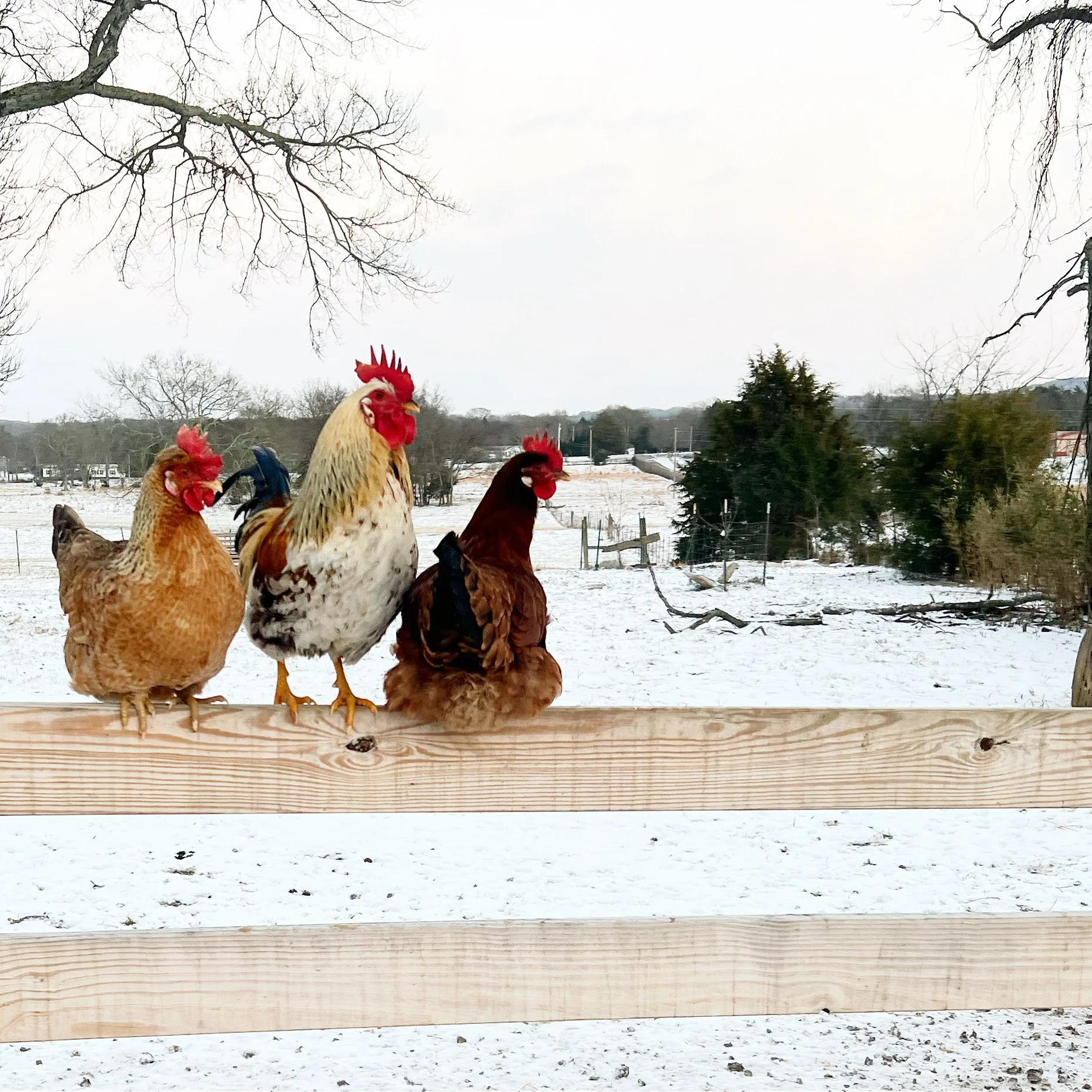
Climate: Some breeds are better suited for certain climates than others. For example, if you live in a cold climate, you will want to choose a breed that is cold-hardy.
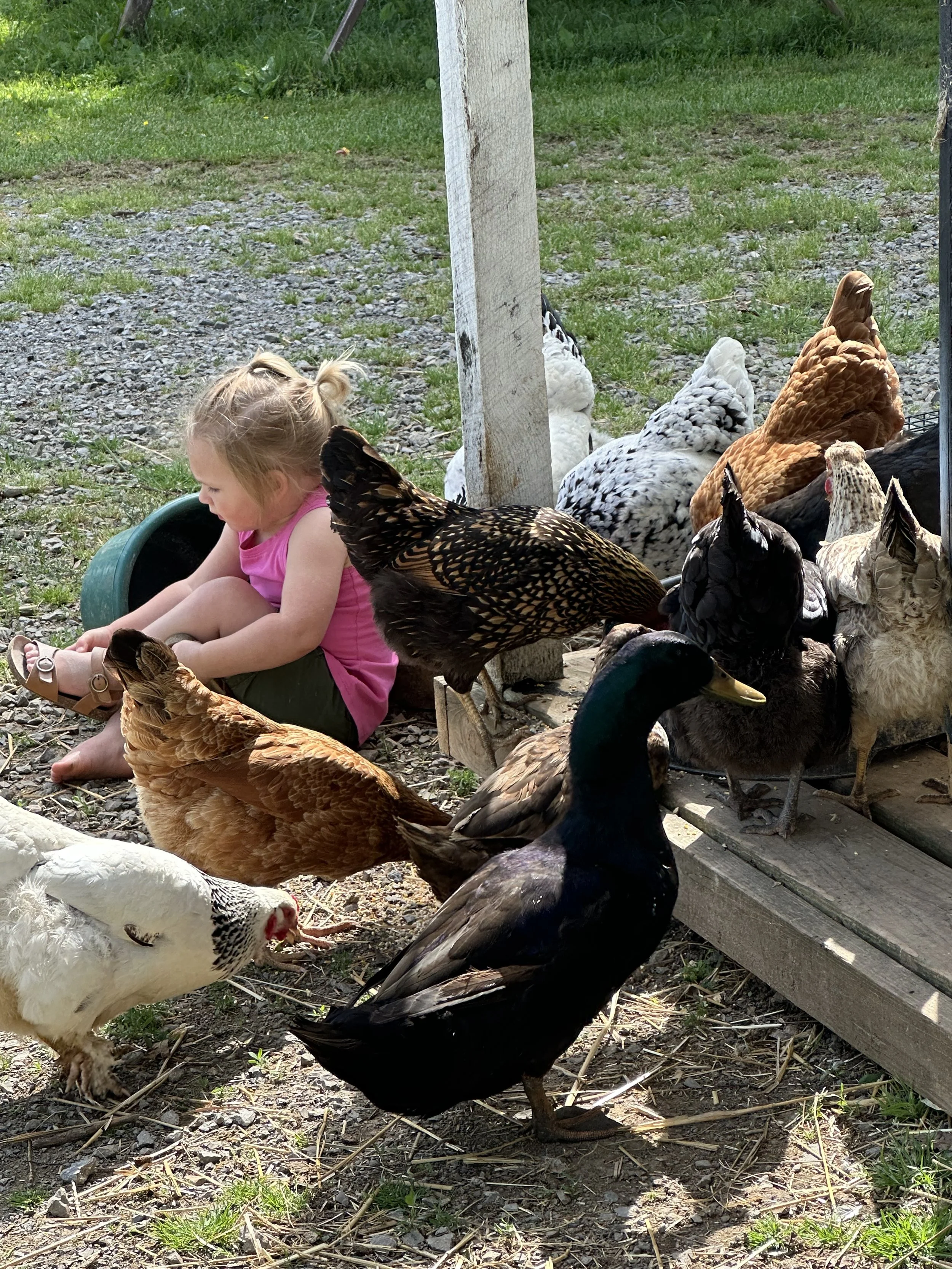
Temperament: Chickens have different personalities. Some breeds are more docile than others. If you have young children, you will want to choose a breed that is known for being gentle.
Space: Chickens need space to roam and forage. If you have a small backyard, you will want to choose a breed that is smaller in size.
Once you have considered your needs and preferences, you can start narrowing down your choices. There are many different breeds of chickens available, so you are sure to find one that is right for you.
Here are a few popular chicken breeds:
Egg layers: Leghorns, Rhode Island Reds, Plymouth Rocks, and Australorps are all good egg layers.
Meat producers: Cornish Crosses, Cochins, and Brahmas are all good meat producers.
Dual-purpose breeds: Wyandottes, Orpingtons, and Jersey Giants are all good dual-purpose breeds, meaning that they produce both eggs and meat.
Choosing The Right Chicken Breed
There are many different breeds of chickens, each with its own unique set of characteristics. Some breeds are better for laying eggs, while others are better for meat production. Some breeds are more docile, while others are more active. Here is a quick breakdown of some of the most popular chicken breeds and their purposes:
Ancona. An Italian breed that is known for heavy egg production of large white eggs.
Araucana. Araucana is a breed of domestic chicken from Chile that lays blue eggs.
Australorp. Australorps are a dual-purpose breed, meaning they are good for both meat and eggs. They are known for being hardy and adaptable, and they lay large, brown eggs.
Barred Plymouth Rock. Barred Plymouth Rocks are another dual-purpose breed. They are known for being calm and docile, and they lay large, white eggs.
Buff Orpington. Buff Orpingtons are a large, gentle breed that is known for being good foragers. They lay large, brown eggs.
Cornish. It is a heavy, muscular bird with an unusually broad breast; the eggs are brown.
Easter Egger. Easter-egger is any hybrid or mixed-breed chicken resulting from breeding of a bird carrying the blue-egg gene with one that lays brown eggs. Eggs from such a bird may be any shade of blue or brown, or occasionally pink or pale yellow.
Maran. French breed of dual-purpose chicken, reared both for meat and for its dark brown eggs.
Sussex. British breed of dual-purpose chicken, reared both for its meat and for its eggs.
Rhode Island Red. Rhode Island Reds are a popular breed that is known for being good layers of large, brown eggs. They are also a dual-purpose breed, meaning they are good for meat as well.
Silkie. Silkies are a small, fluffy breed that is known for being friendly and docile. They lay small, white eggs.
Wyandotte. Wyandottes are a hardy breed that is known for being good layers of large, brown eggs. They are also a dual-purpose breed, meaning they are good for meat as well.
Housing
Chickens need a coop to keep them safe from predators and the elements. The coop should be large enough for the chickens to move around comfortably and should have a roosting area, nesting boxes, and a feeder and waterer. You will also need to provide a run for the chickens to exercise in or access for them to free range.
Feeding
Chickens need a diet that is high in protein and calcium. You can buy chicken feed at most farm supply stores. You can also supplement their diet with table scraps, such as vegetables, fruits, and grains.
Eggs
Chickens will start laying eggs about 6 months after they hatch. The number of eggs they lay will vary depending on the breed and the time of year. Chickens will lay more eggs in the spring and summer than in the fall and winter. You can choose to let mama's raise their babies or find a great incubator (or make one) and raise the eggs your self - this does require a rooster for your flock.
Predators
Chickens are prey animals, so they are susceptible to a variety of predators. Some common predators of chickens include foxes, coyotes, raccoons, and snakes. You will need to take steps to protect your chickens from predators, such as building a secure coop and run.
Diseases
Chickens can be susceptible to a variety of diseases. Some common diseases of chickens include Marek's disease, coccidiosis, and salmonella. It is important to be aware of the diseases that can affect chickens and to take steps to prevent them.
Veterinary care
If your chickens become sick, you will need to take them to a veterinarian. A veterinarian can diagnose and treat diseases of chickens.
Enjoying your chickens
Raising chickens can be a rewarding experience. Chickens are social animals and can be quite entertaining. They can also provide you with fresh eggs and meat. If you are thinking about raising chickens, do some research and find out if it is right for you. Choosing the right chicken breed is a great first step in figuring out what you want from your chicken journey!